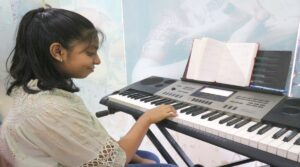
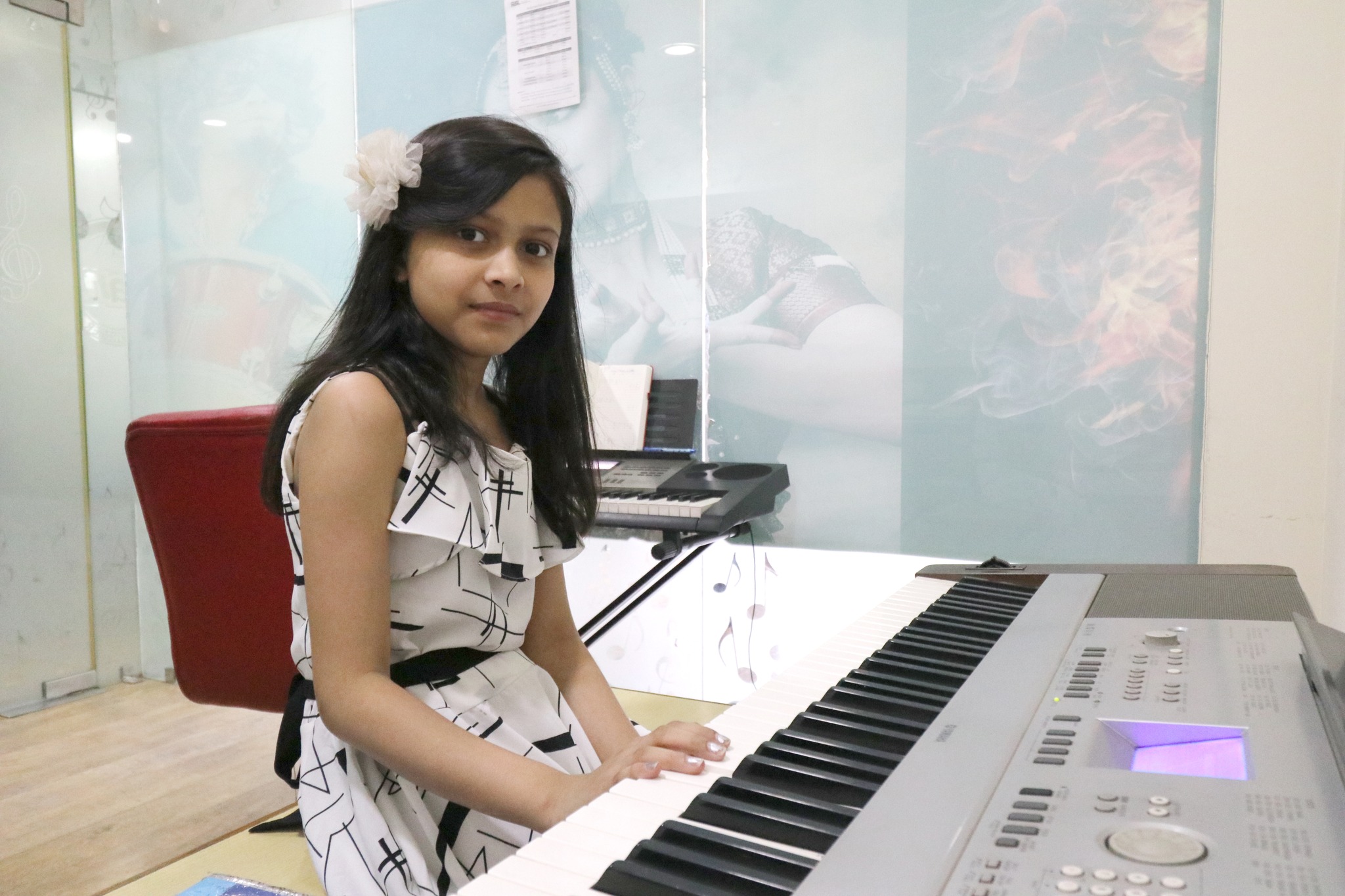
Many parents look for meaningful activities to shape their child’s future — something that supports confidence, academic excellence, creativity, and emotional balance. One powerful option that continues to stand out across research, education, and science is learning music at a young age.
Whether it’s keyboard, guitar, vocals, drums, or classical dance with rhythmic structure, music triggers remarkable changes in the developing brain.
In this blog, we explore how music learning impacts cognitive development, improves emotional intelligence, builds discipline, and helps children grow confidently.
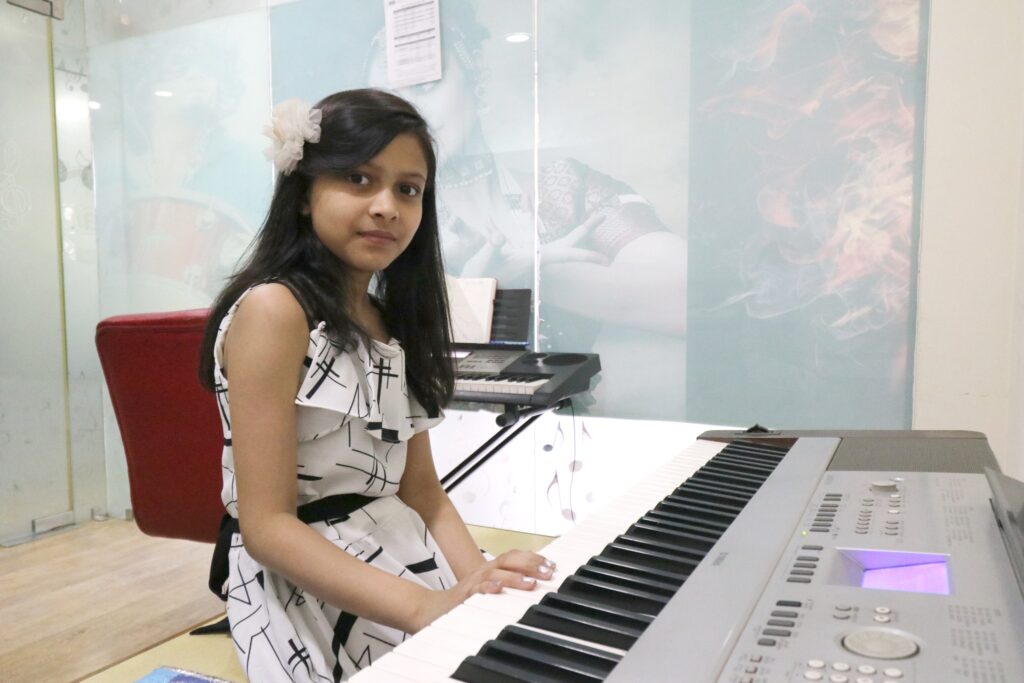
1. Music Strengthens Brain Structure and Memory
Studies have shown that children who learn music have:
- Better memory retention
- Improved concentration
- Faster pattern recognition
- Higher learning speeds in academics
Music requires using both hemispheres of the brain simultaneously — the right side for creativity and the left for logic, timing, and rhythm. This enhances neural connections, improving how children absorb and process information.
Children who practice keyboard or guitar regularly develop better hand-eye coordination, spatial reasoning, and fine motor skills — essential for writing, reading, and technical learning later in life.
2. Music Improves Focus and Discipline
Learning an instrument requires consistency — practicing scales, repeating patterns, and mastering coordination. Over time, children develop:
- Patience
- Daily discipline
- Self-motivation
- Responsibility
These qualities benefit them far beyond music — helping in academics, sports, and problem-solving throughout life.
Children who learn music early often show higher academic performance and exam readiness later — especially in subjects like mathematics.
3. Enhances Emotional Intelligence and Confidence
Music is not just technical — it’s deeply emotional.
Children express feelings through rhythm, sound, and movement. This helps them:
- Manage emotions
- Build confidence
- Reduce stress
- Improve self-expression
Performing in recitals or stage events helps overcome stage fear and builds stronger self-belief.
Even a shy child slowly starts expressing themselves with rhythm, sound, and movement — a transformation every parent loves to witness.
4. Boosts Creativity and Critical Thinking
Music stimulates imagination. Children learn to:
- Experiment with sounds
- Create their own rhythms
- Listen actively
- Think differently
When a child creates music, composes a tune, or improvises — they activate powerful parts of the brain that support innovation and creativity.
These skills help in future careers too — whether artistic or scientific.
5. Music Encourages Social Skills and Teamwork
Group learning environments such as academy classes, band practice, or dance rehearsals teach valuable communication skills. Children learn to:
- Work in teams
- Listen to others
- Share ideas
- Respect timing and coordination
These experiences build social confidence — something essential in school and life.
6. Supports Speech, Vocabulary & Language Development
Music learning enhances auditory processing — helping children recognize patterns in sound.
As a result, kids who learn music early often show:
- Better pronunciation
- Faster vocabulary development
- Improved communication skills
- Stronger reading comprehension
Children learning Indian classical vocal or Western notes also improve pitch accuracy and listening sensitivity — skills linked to strong language development.
7. Music Acts as a Stress Relief and Mental Wellness Tool
Children today face academic pressure, screen time, and social expectations. Music acts as a creative outlet and emotional release. It:
✔ Reduces anxiety
✔ Improves mood
✔ Builds mental resilience
✔ Creates a healthy hobby and routine
A practice session after school can feel like therapy — calming and refreshing.
Conclusion
Music is more than just a hobby — it is a scientifically proven tool for brain development, emotional growth, creativity, and confidence building. When started young, it lays a strong foundation for lifelong learning and success.
Whether your child chooses keyboard, guitar, drums, vocals, or dance, music education is a beautiful investment in their future.
Want to Get Started?
Aarambh Music & Dance Academy offers:
- Keyboard Classes
- Guitar & Drum Classes
- Vocal Training
- Kathak & Bharatanatyam Classes
- Stage & Performance Training
Book a Free Trial Class Today!
If you enjoyed this article, you’ll love our other music-education blogs — find them here:
Which Musical Instrument is Best for Beginners: Guitar, Keyboard, or Drums?
How Indian Vocal Singing Can Help Kids Improve Their Academic Performance